ASH WEDNESDAY

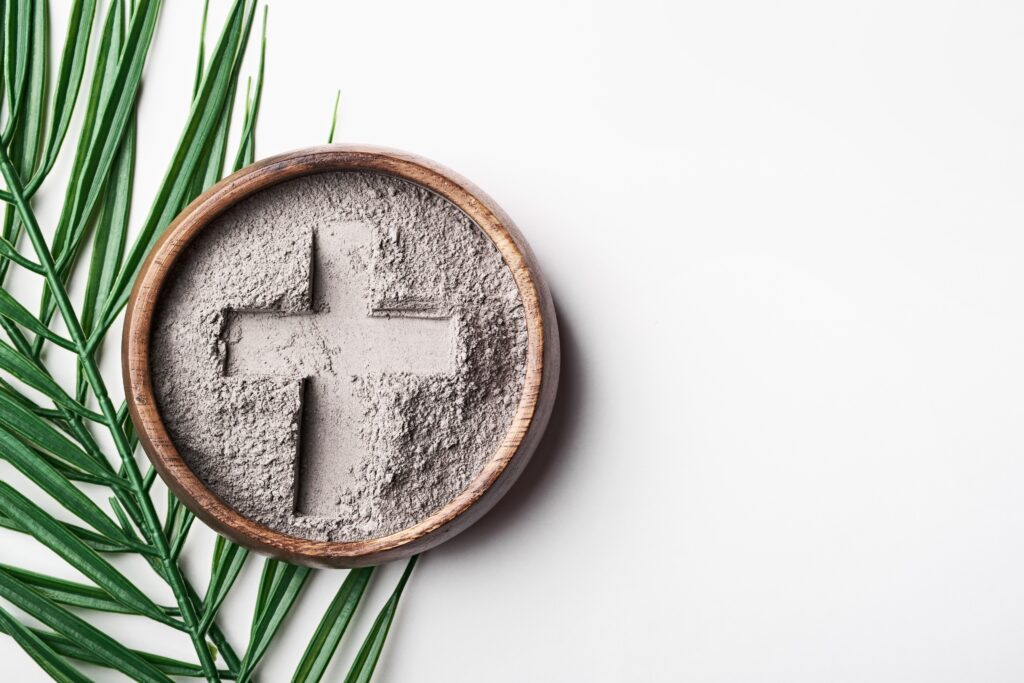
Ash Wednesday represents both a personal and communal reckoning. Before God, we receive the ashes on our foreheads, drawn in the shape of the cross. We are reminded, rather bluntly, that we are mortal and will die.
Much as we fear death, and rarely talk about it, we need to recognize its inevitability. Not to be morbid, but to see it as what it really is, not just an ending of one stage of our reality, but the beginning of a new one. Such a realization counters our fears and reminds us of God’s covenant with all humanity. He shall never forsake us.
Ash Wednesday is also a visceral challenge to our pride, our sometimes overweening confidence in our ability to control every aspect of our lives. The ashes tell us, in case we have forgotten, that all our human success can be undone in a moment. “Remember that you are dust, and to dush you shall return,” we are told during the distribution of ashes.
We are not God, as much as we like to fantasize otherwise as we gloat over our technological prowess. We are creatures of this earth, made with the stuff that is the foundation of the entire planet and everything on it. We need the stark reminder afforded by this first day of Lent.
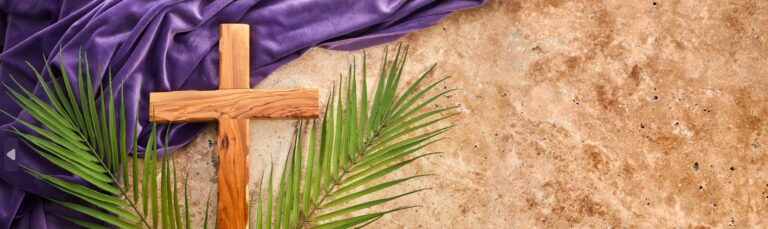
Ash Wednesday, then, sends us on our own journey into the desert, a 40-day period of self-examination in which we accept that we, as both individuals and as a race, are sinful, capable of great evil as well as great good, of malice as much as kindness. The Lenten acts of giving alms, fasting and praying give this internal reflection outward focus. We mark the season by stripping bare the altars, dressing our churches in purple, reinforcing the idea that this is a special season, meant to be taken seriously.
While examining our own conscience, we are also called upon to live Lent communally, to pray together over our failings and those of the entire planet, and to ask forgiveness of God. This year, in particular, the world needs prayer more than ever. As Pope Leo XIV has not tired reminding us, we need to pray for peace: peace in Ukraine and in the Middle East, in particular. But also peace in the many parts of the globe torn apart by different forms of conflict that leave people suffering, homeless or in prison.
And let us never forget that sadness and sorrow are followed by joy, for our God is a forgiving God. As we pray in the psalm for today’s liturgy (Psalm 94):
Create in me a clean heart, O God, and put a new and right spirit within me. Do not cast me away from your presence, and do not take your holy spirit from me.
Restore to me the joy of your salvation, and sustain in me a willing spirit. O Lord, open my lips, and my mouth will declare your praise.
Joseph Sinasac is a retired Publishing Director of Novalis Publishing. He has been involved with religious communications for almost 45 years as an author, journalist, editor and TV and radio commentator on all things Catholic.