WORLD COMMUNICATIONS DAY

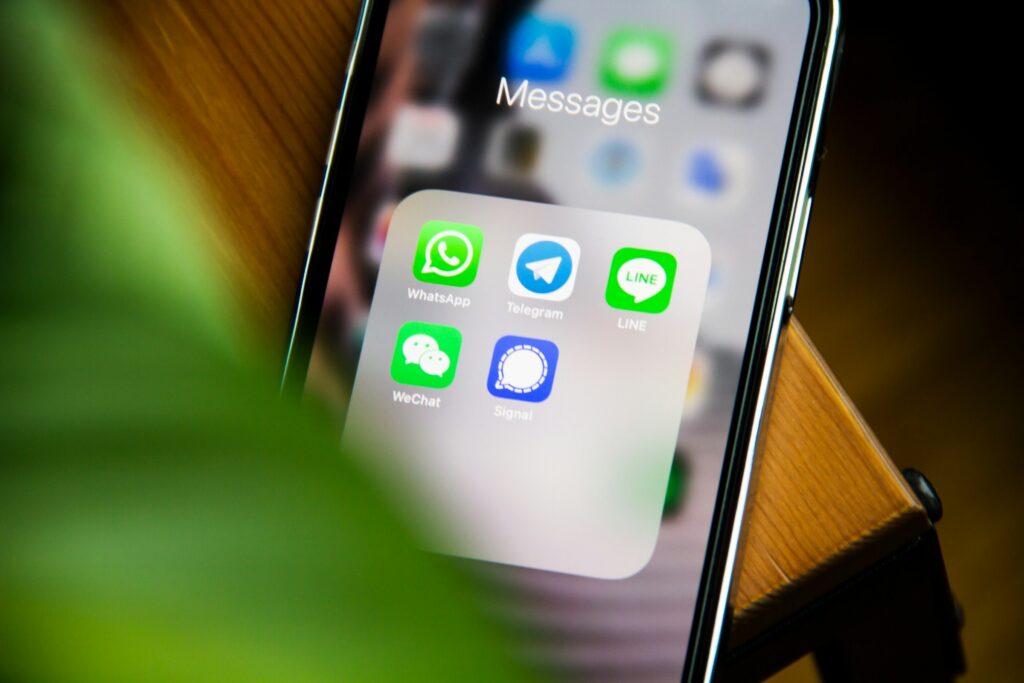
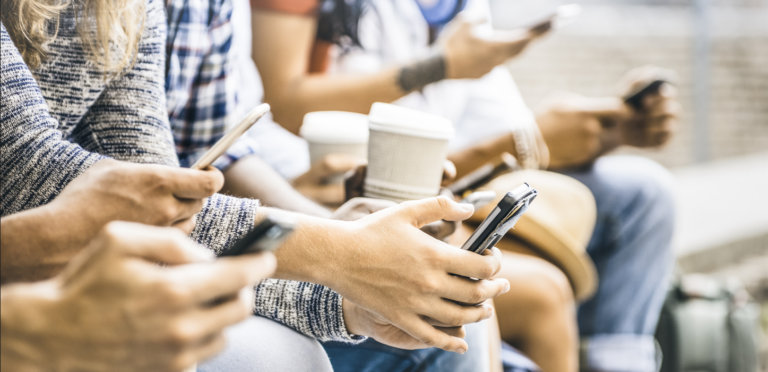
There are so many ways to communicate with each other in 2026! We might spend time deciding whether to send a text, write an email, set up a video chat, or make a phone call through a cell service or maybe even an old-school landline. Perhaps we might send a card or hand-written letter in the mail. Text messages are often short, but some people use them to write long messages. In a telephone call, we can have the benefit of hearing pauses and tone and listening to gain clear meanings. In a video chat, we can also see the faces of the people we are talking with as we listen. Each of these technologies use different transmission networks – physical lines, cellular or internet and all require power.
In my research for writing this blog, I used the internet to learn about the history of World Communication Day and find the latest word from our Pope Leo on the subject.
For this 60th World Communication Day the focus is on Preserving Human Voices and Faces. In Pope Leo’s words: “We need faces and voices to speak for people again. We need to cherish the gift of communication as the deepest truth of humanity, to which all technological innovation should also be oriented.”
In 1967, when this special day was announced, our western society already had radios and telephones, televisions and movies, as well as newspapers and magazines. In addition to those, we now have the internet, streaming services and a seemingly unlimited number of things we can read or watch on social media and on specific websites, podcasts, documentaries: all different means of sharing information.
This year, the focus of the Pope’s message for World Communication Day is on Artificial Intelligence (AI) with warnings about the risks inherent in this technology. This technology can show us computer generated face-like images and voices that mimic human ones.
“Artificial Intelligence”: Maybe we should continue to write that out and NOT abbreviate it so that we can be reminded: the synonyms for “artificial” include mock, false, fake, insincere, synthetic and imitation. The word “intelligent” comes from the words for “between” and “choose.” Intelligence is about making choices and critical thinking. With that in my mind, “artificial intelligence” is a misnomer: If we used the full phrase, we might then remember that there is nothing realistically intelligent about this technology. It’s a innovation designed for certain tasks and not able to think critically, have feelings, or express emotion from a place of sincere compassion.
In the Pope’s message there is a warning: Do not renounce your ability to think. My son uses this technology in his contracting business to help summarize emails for efficiency in meetings with the staff. My daughter is concerned about the amount of power and water consumed by the computers needed to produce artificial intelligence. I think about all these things and try to focus on my relationships – my friends, my family, and especially my grandchildren. They are growing up in a very different world than my children did, than I did, and certainly different from the world of my parents.
On Mother’s Day, I received text messages and had video chats with two of my children. Two others came to visit, giving us time to chat and share stories in the sunshine. I don’t get to see my two youngest grandchildren very often in person, but I love that technology allows us to “see” each other often and for me to hear their voices as they are learning to master language. Video chats and photos are special times, but there is nothing like holding the little ones to tell a story or hearing their voices as we share a meal. This is true of all relationships.
At the end of the Pope’s message about communication, he spoke about an alliance – a relationship – with the people using technology, those who are working on artificial intelligence and the policy makers controlling the use of technology whose job it is to protect citizens.
I have incorporated the pillars of this alliance into a prayer for this day:
Lord of all relationships and master of loving communication,
send your Spirit to be with us as we navigate this world of technology and learn how to take responsibility in our relationships with family, friends, neighbours and colleagues for the “future we are building.”
Help us to speak up and cooperate with others to develop safeguards needed to protect the vulnerable from the risks of artificial intelligence and all technology.
And guide us as we educate ourselves always to make it a priority to focus on the face and listen to the voice of every person we meet. Amen.
Jeanne Lambert combines her experiences as a parish and community nurse and her music ministry, and she continues to find ways to include music in pastoral care and community hospice work. Jeanne has many diverse writings and presentations to her credit on family life, grief, wholistic health care and spiritual reflection.